

When you’re starting out with a new website, it can be tempting to skip content creation in order to put your time and effort into promoting your site instead. After all, the promotion gives you immediate results, and it’s something that you can do right away. It’s also something that you can learn about on your own, whereas writing content might seem like an area that requires the help of an expert. However, this strategy can be a huge mistake! In fact, you can rank without writing content if you know what to do. Here are seven ways to rank a website without writing content.
Keyword Research

Before you can start writing, you need to know what you’re writing about. Keyword research is a time-tested SEO strategy for choosing which keywords to focus on. You don’t want to try to rank for everything, but it’s important to take all your content goals into account and think about how you might end up ranking for each topic individually.
To find out what kinds of content others have created on your topic, do some basic keyword research using Google’s Keyword Planner. If you haven’t already done so, set up an AdWords account and navigate to Keyword Planner. Create an ad group for each different area of your website and add keywords that you might be able to rank for. Then type in some seed keywords. These are words related to your topic that you believe someone might search if they were looking for information about it.
Once you’ve chosen your seed keywords, click on Get ideas to see which keywords have search volume that exceeds your ad group minimums. Try and pick between 2-4 of these words, so you can spread out your link-building efforts when it comes time to start publishing content. To make things easier for yourself, later on, you can use AdWords Editor to create a new negative keyword list that contains all of these extra keywords.
Use your list of seed keywords to find some related terms and phrases. A good SEO tool like Market Samurai or SpyFu can help you quickly pull up valuable keyword suggestions related to each of your seed keywords. Once you’ve found some keyword ideas, prioritize which ones are more important to rank for first by using tools like Keyword Planner and SEMrush. Try and add as many as possible to your negative keyword list so that you don’t accidentally link build for them later on.
Next, set up your campaign in AdWords and add all of your negative keywords so that you don’t accidentally advertise to any of them. Finally, start publishing content on your website! Each time you publish something new, check Google Analytics to see if there is any search traffic coming from any of your seed keywords. If there is, you’re one step closer to ranking for that term!
Of course, if you don’t have time to run your own AdWords campaign or don’t want to advertise at all, you can use free tools like BuzzSumo to check which content performs best for each of your target keywords. This way, you can create content that is likely to rank well and also perform well in search engines.
SEO On-Page Optimization
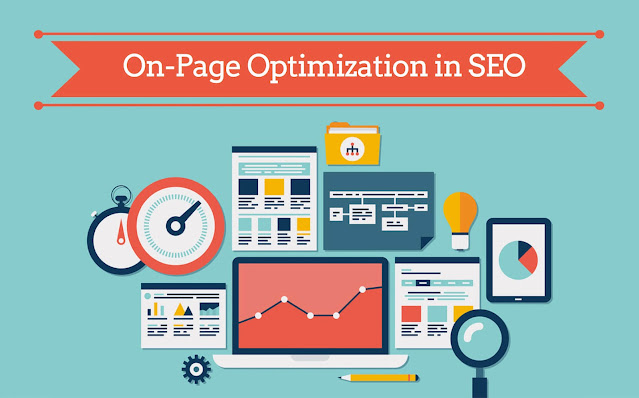
On-page optimization is a must in today’s search engines. This is simply because we have so many different types of devices and search engines need to be able to adjust to each individual device in order to provide users with relevant results. However, not everyone has time for on-page optimization and there are plenty of platforms that will do it for you such as WPMU DEV, Yoast Seo, or Moz.
However, if you are planning on doing it yourself then you’ll need to make sure that you have optimized your meta titles and descriptions. This is something that is often forgotten but can seriously impact your rankings so be sure to check out Yoast’s guide on meta titles here.
Another important factor to consider with on-page optimization is Google’s Hummingbird update. This essentially means that Google has improved its algorithm and can now understand phrases, not just single words which in turn can change how you optimize your content. For example, if your page is about pest control, pest control near me will be more useful than pest control service which means that single-word keywords are less important.
On-page optimization is something that we recommend doing as soon as possible and you’ll also need to be careful when choosing what plugins you use. We suggest using Yoast SEO as it has been designed specifically for WordPress websites and will help ensure that your on-page optimization is fully optimized.
Relevant Backlinks

Backlinks are one of THE most important parts of SEO, they’re essentially how search engines determine how relevant your content is to certain search terms. They also account for almost 30% of where your traffic will come from. The higher quality backlinks you have, with anchor text pointing to specific keywords, the better results you’ll see in your search rankings.
There are two types of backlinks that you’ll want to focus on – relevant and contextual. Relevant backlinks are those that are ranking for specific keywords and phrases, and contextual links are any links that point to your site from within content that is also highly relevant to your target audience.
Once you’ve got a list of keywords that have some traffic and search volume, you can start building your backlinks using tools like Ahrefs, BuzzSumo, or Moz. These are great for finding sites that link to content similar to yours, then reaching out and asking if they’d be willing to link to one of your posts as well. Additionally, you can share content from other bloggers on your own site with relevant links in your content.
If you already have some content on your site, look for sites that are already linking to it. This way you can build contextual links to specific pages, increasing their authority and your rankings for those terms.
Once you’ve published your new content, make sure to reach out to influencers in your industry and share it with them. The more sites that link to you, both from your own site and from other places on the web, with relevant anchor text pointing to specific keyword terms related to your content, can really drive up your rankings.
Another way to build relevant backlinks is by using relevant content from other sites as resources in your new posts. In order to do that, you’ll need to find some of those sites and see if they’re willing to let you republish their content. If they are, make sure you credit them in your post and let people know it was originally published on another site. By doing so, they might share your link with their audience and help drive up your search rankings!
Social Signals
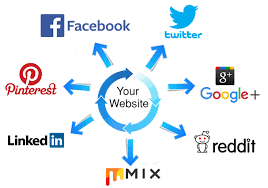
Your social signals count in search, too. If you want to rank for terms like buy running shoes and running shoe stores, it helps to have social signals that tell Google your content is popular. Search engine optimization (SEO) experts say things like Facebook likes, shares, and followers are important signals Google uses in ranking results.
On social media, your content should be more than just links to articles. Posts with images and videos rank better in search engines, for example. They also make posts look more engaging and help people remember your brand or site when they’re looking for something specific later on.
Posting in groups and communities related to your niche can help you connect with people who are interested in similar things. This is one of many ways to improve search rankings using social media. Other ways include using keyword-rich descriptions, embedding links that point back to your website, and organizing conversations around topic-specific hashtags.
If you want to make social signals work for you, try these tips: * Create regular content based on topics that are relevant to your customers. * Use images, videos, and graphics to make your posts more visually appealing. * Link back to your website with keyword-rich links and descriptions. For example, use phrases like click here instead of just click when you embed links in Facebook posts or tweets.
* Make sure you’re posting regularly. * Connect with influencers and other people in your niche to build your network. * Organize conversations around topic-specific hashtags to get involved in relevant conversations. For example, if you sell shoes, join communities where people are talking about running or fitness and use hashtags like #runningforweightloss or #fitnessmotivation in posts. If you participate in discussions related to your niche, Google will see you as an authority on these topics.
Just remember that social signals aren’t magic. They work when you put in consistent effort over time. If you only post once or twice and then leave, don’t expect to see dramatic results from social media.
Professional Branding
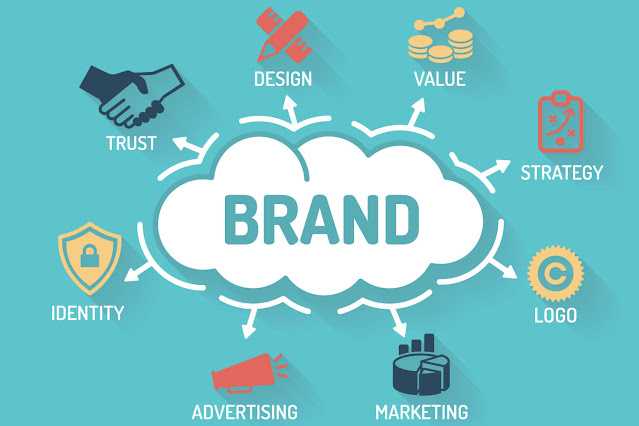
Your website is one of your most important marketing tools, but so is your business card. Professional branding helps you appear more professional and experienced to new clients, which makes them more likely to trust you with their business. Business cards should be professionally designed, use both color and black-and-white design elements, and include contact information in both English and whatever language(s) are native to your target market.
The title and meta description you use on each page should both include keywords related to your business. Each page should have its own unique content so that visitors can easily tell which pages are most important.
Each page should also include quality backlinks. Although Google has cracked down on link schemes in recent years, backlinks are still an important part of the ranking, so you’ll want to make sure your website has plenty of them.
To ensure your site is optimized for both mobile and desktop, it’s worth using responsive web design so that your site adapts to whatever device users are using. Google has also said that sites with HTTPS encryption will rank higher in search results, so be sure to use SSL if you haven’t already.
Local Presence
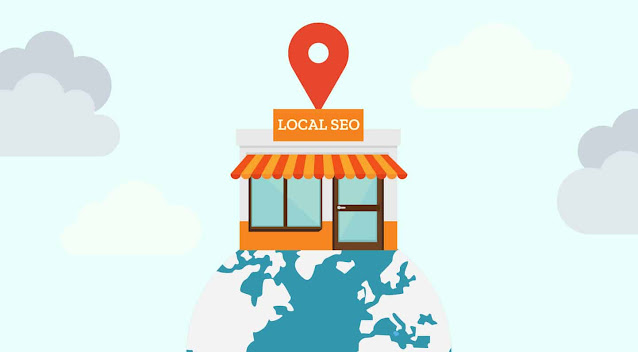
Businesses that have a physical presence in your area can rank higher in local search results, as those are all based on location. This means you need to get listed on sites like Yelp, Superpages, and Citysearch. Additionally, you can buy ads on Google Local pages for your area that will help bring people to your website.
Your presence needs to be verified by those sites, so you’ll have to verify your address and information. For example, on Yelp you can do that through a link from your business website. On Citysearch, you can call in to confirm your business’s name, address, and phone number with an agent over the phone.
While you’re on those sites, make sure you follow them on social media. People are more likely to search for things on sites like Yelp and Citysearch if they have an account there, so if you’re not present, they won’t find your website. After all, these businesses compete with your business in some way—it doesn’t matter whether it’s retail or services you offer—they may end up choosing someone else based on these local results.
Utilize Autopilot Traffic Engines
In today’s information-crazed world, there are an endless number of traffic sources and opportunities at your fingertips. With some automation, these tools can drive visitors directly to your site—and that’s just one piece of using such engines to their full potential. Start by signing up for an account on one or more of these tools; then let them run in unattended mode while you focus on producing great content and generating quality backlinks. Here are some ideas
By doing so, you’ll be able to grow your traffic numbers exponentially. Even better: these networks can help you generate long-term, low-maintenance targeted traffic for years to come—as long as you keep providing fresh content and staying relevant to your target audience.
To learn more about these tools, and see how they can work together to help your website rank, check out my link-building training here. It’s free!

Thank you, come again!